
Ferrous vs. Non-Ferrous Metals: What Every Manufacturer Needs to Know About Recycling Each
If your shop works with ferrous and non-ferrous materials, the way you handle each one before it leaves your facility has a direct impact on what you get paid for it. These two categories go to different end consumers, get priced on different factors and require different preparation to hit top-of-market value. A scrap program that treats them the same way is almost always leaving something on the table.
Here is a straightforward breakdown of the differences, what they mean for your operation and how to make sure you are getting full value out of both.
What’s the Difference Between Ferrous and Non-Ferrous Metals?
Ferrous metals contain iron, which makes them magnetic. Steel in its many forms is the most common example you will see on a manufacturing floor. Non-ferrous metals contain no significant iron content. Aluminum, titanium, copper, brass and nickel-based alloys all fall into this category.
At Branch Metal, we process both. Our total scrap volume runs well over 35 million pounds annually, and we actively buy everything from standard mill-grade steel and cast iron to aerospace-grade titanium alloys, stainless steel and carbide. If it comes off a manufacturing floor, we can find a home for it.
But buying them is the easy part. The harder conversation is about how you handle them before we ever show up.
Why Ferrous Metal Recycling and Non-Ferrous Metal Recycling Require Different Approaches
These two material categories do not just look different. They go to different end consumers, get priced on different factors and require different handling to maximize their value.
With ferrous metal recycling, form and size drive value more than chemistry. How thick is the material? What size pieces are you generating? A standard mill-grade busheling might run around 21 cents per pound, while a foundry-grade, low-manganese steel can command a meaningful premium above that. Branch Metal is one of the few processors in the St. Louis region that actively sources and sells foundry-grade steel — most operations skip it because the spec is strict, but the premium makes it worth doing right.
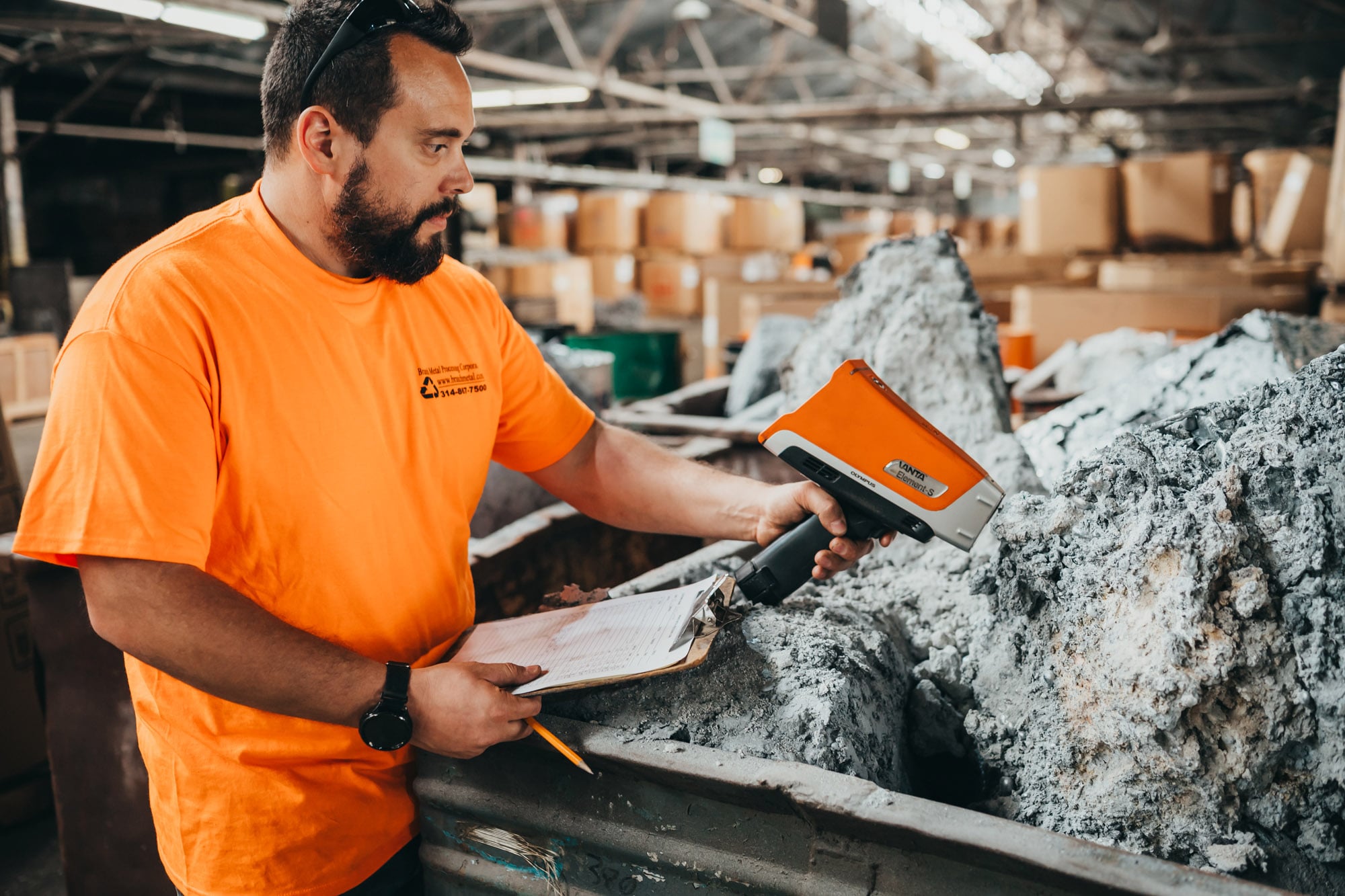
With non-ferrous metal recycling, chemistry is everything. Non-ferrous alloys are not interchangeable. A 6-4 titanium and a 6-6-2 titanium may look identical to the eye but carry different values and go to different consumers. The same logic applies across aluminum alloys, nickel-based materials and stainless steel grades. We use handheld chemistry-reading guns, both at our yard and out in the field, to identify specific alloys on the spot, match each material to the right end consumer and return top-of-market pricing instead of averaged-down mixed-load rates.
What Happens When Ferrous and Non-Ferrous Are Mixed
This is where manufacturers quietly lose money without ever seeing it happen.
Take a straightforward example. Aluminum and steel look nothing alike on the floor, but once they end up in the same bin, the mixed load becomes its own lower-value product. The aluminum can no longer be sold as clean. It has to go through magnetic separation to pull the steel out, and even then it may not come back to full spec.
The gap between what a segregated, clean aluminum load is worth and what a contaminated mixed load nets is significant. Factor in the processing cost to get it back to spec and that gap gets wider. Running material across a magnet separator, having staff inspect and sort it, checking the output chemistry — that work gets factored into your payout. Instead of a clean transaction at full price, you end up with a discounted rate and a processing deduction on top of it.
When we see it happening, we flag it. We will show you exactly what the price difference is and what it would take to correct it. Whether the time and effort to adjust your process is worth it is your call — but you will have the full picture to make that decision.
How Proper Segregation Improves Your Ferrous Recycling and Non-Ferrous Metal Recycling Returns
The good news is that most of the opportunity here does not require major capital investment or process overhauls. The lowest-hanging fruit in most facilities is simply making it easier for operators to put the right material in the right place.
One of our customers runs multiple titanium grades through the same operation. They implemented a color-coded bin system: red for one alloy, green for another. Operators running those programs do not need to know the chemistries. They just follow the color. But that simple system ensures that both materials arrive at our facility segregated, identifiable and ready to go to the right end consumer at the right price.
When we do a facility walkthrough, this is one of the first things we look at. Where is the material coming off the machine? Where does it go from there? Is there a realistic way to segregate it at the point of generation, or does the layout make that impractical? Are the machines being cleaned out before running a new alloy? If space is tight, we will help you find a reasonable middle ground. Maybe you cannot segregate three different aluminum alloys separately, but you can segregate two and keep one combined. That is still better than everything going into one container.
We supply the equipment to support it: tote boxes, dump hoppers, plastic bins, lugger boxes, gondola trailers, van trailers, and specialty containers for high-value materials. The right equipment in the right place makes segregation practical for your team instead of one more thing to think about.
Ferrous vs. Non-Ferrous: What Branch Metal Buys
For reference, here is a practical overview of the material categories we actively purchase from industrial manufacturers.
- Ferrous materials: Steel in its various grades and forms, including mill-grade busheling, foundry-grade low-manganese steel, steel clips, cast iron (solids and borings), machine shop turnings, plate and structural steel and shreddable steel.
- Non-ferrous alloys: Aluminum (all grades), titanium, copper, brass, bronze, carbide, nickel-based alloys, stainless steel, Inconel, Hastelloy, electric motors and more.
If you have a material not on this list, reach out. We can almost always find a home for it.
Know What Your Materials Are Actually Worth
The difference between ferrous and non-ferrous recycling is not just technical. It is a revenue decision. Manufacturers who understand the distinction, set up their operation to keep materials separated and work with a processor who actively pursues top-end consumers get paid more for the same scrap.
We have been doing this for nearly a century. We will walk your facility, assess your current material flow and show you exactly where the opportunity is.Schedule your scrap walkthrough and find out what your materials are actually worth.