
How Scrap Metal Processing Works (And Why It Affects Your Bottom Line)
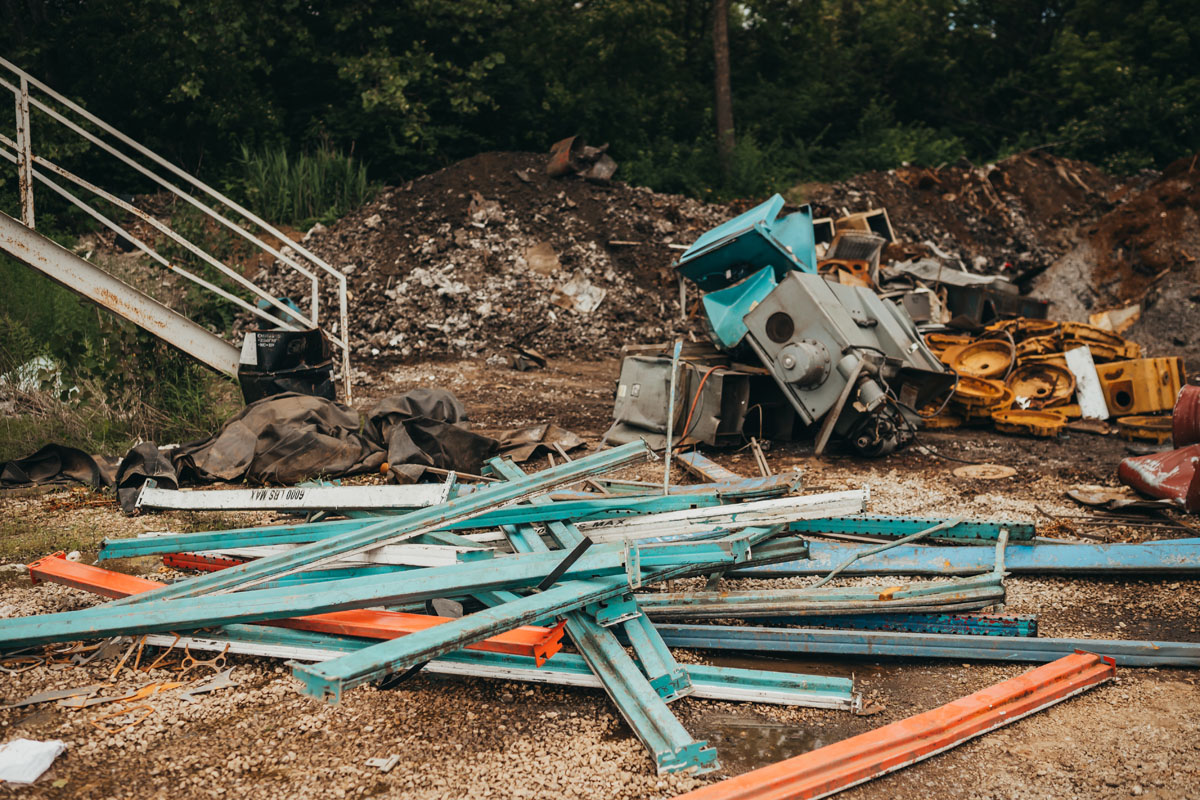
Running a manufacturing operation means keeping your focus on production. Scrap is a byproduct, and most programs handle it on autopilot: containers fill up, and payments follow.
That works. But for manufacturers who want to get more from every pound of material that leaves their facility, understanding what happens between pickup and final sale is worth a closer look. How that metal gets prepared and routed to the right end buyer is where value either holds or erodes.
Here’s what that process looks like from start to finish.
What Is Scrap Metal Processing?
Scrap metal processing is everything that happens to raw scrap material between the moment it leaves your facility and the moment it gets purchased by a mill or foundry. That includes everything from sorting and sizing to testing and packaging, but it also includes the decisions made at every step about where the material should go and who will pay the most for it.
Processing doesn’t have to mean heavy machinery and industrial-scale equipment to make a difference. At Branch Metal, the processing philosophy is pretty straightforward. Analyze the material. Segregate it by type and alloy. Repackage it to meet consumer specs, then route it to the buyer who values it most. The goal is always getting your scrap to the top-end consumer rather than settling for whoever takes mixed loads at a discount.
When that’s done right, it’s not unusual to see meaningful price differences per pound on the same material, just because it was handled more intentionally on the way out.
Step-by-Step: How Scrap Metal Processors Prepare Your Material
Processing starts before the truck ever shows up. Here’s the full picture from floor to final sale.
1. On-Site Segregation
Sorting scrap at the source is the highest-impact step in the entire process. When materials get mixed on the floor, they get priced as mixed material. That’s always the lowest tier. Keeping them separated unlocks better pricing before a single pound leaves the facility.
It doesn’t have to be complicated. One customer color-codes their bins to match their production process: 6-4 titanium goes in bins marked red, 6-6-2 titanium goes in bins marked green. Operators don’t need to know the chemistry. They just know red or green. Branch Metal helps customers build systems like this during the initial facility walkthrough.
2. Material Intake and Verification
When material arrives at the yard, it gets checked against the customer’s packing list. If a load arrives mixed when it was supposed to be segregated, that’s a conversation, not a silent downgrade. The customer’s expected payout is based on what they said they were sending, and getting that right matters.
3. Chemistry Testing
Using handheld XRF analyzers (often called chemistry guns or Niton guns after the industry-leading brand), Branch Metal tests the exact alloy composition of incoming metal. Two pieces of aluminum can look identical and be completely different alloys. One might be 6061, the other 7075. Send them out mixed and the whole load prices at the low end. Segregate them and each goes to the consumer willing to pay a premium for that specific alloy.
4. Sizing and Cutting
Most mills and foundries want material under four to five feet. Anything over eight feet gets cut down before it ships. Keeping material within spec eliminates secondary processing fees downstream and passes the savings through to the customer.
5. Packaging and Preparation
Different materials ship in different forms depending on consumer requirements. Turnings and chips get pucked into dense, uniform pucks. Larger loose material gets baled. Small, high-value non-ferrous materials go into super sacks for protected transport. Every packaging decision is driven by what the end buyer needs to accept the material without additional handling.
Why Scrap Metal Processing Directly Affects Your Payout
The connection between processing quality and pricing is direct. Branch Metal maintains relationships with multiple mills and foundries for most alloys, which means there are usually several qualified buyers competing for the same material. The ability to route a load to the buyer who values it most is only possible when the material arrives clean and prepared to that buyer’s specifications.
Pricing at Branch Metal is tied to industry indexes, AMM and LME, so customers can verify they’re getting fair market value. But market price is the floor, not the ceiling. How the material is processed determines where in the range the final price lands.
Mixed material sells low. Properly prepared material sells at a premium. The processing work done between pickup and sale is what determines which outcome you get.
What Good Scrap Metal Services Look Like in Practice
Good scrap metal services go beyond what happens at the yard. The work starts with a facility walkthrough that surfaces where value is being lost, whether that’s materials getting mixed unnecessarily or containers that don’t fit the volume coming off certain machines. Drivers who know the site run pickups on a schedule built around production, and payments go out within two business days.
If you want to know whether your scrap program is getting the most out of your material, a walkthrough is the place to start. We will walk your floor and show you where the program could be working harder for your bottom line. Schedule your scrap walkthrough today or give us a call at 314-867-7500 to get a quick price on your material.